The 2026 Guide to Choosing Commercial Playground Equipment in Australia
Planning commercial playgrounds involves juggling many moving parts. You have strict safety standards to meet, tight budgets to manage, and specific aesthetic goals for your play space. It is easy to feel overwhelmed by the sheer volume of choices and compliance red tape.
Whether you are designing a public park or outfitting a school courtyard, the stakes are high. Getting it wrong means delayed projects, blown budgets, or worse—a play space that fails mandatory safety inspections.
This guide is designed to take that stress away. We have created a clear, practical roadmap to help you select compliant, highly durable playground equipment in Australia. By the end of this guide, you will know exactly what to look for, what questions to ask, and how to choose the best commercial playground equipment for your next project.
Understanding Australian Safety Standards (AS 4685)
The first step in any commercial project is understanding playground safety. Commercial-grade play equipment is entirely different from the plastic sets you buy for a residential backyard.
Backyard gear is built for light use by a few children, while commercial equipment must withstand heavy daily use by hundreds of kids and resist vandalism and harsh weather.
In Australia, all commercial play spaces must strictly adhere to the AS 4685 playground standards. This is the definitive Australian standard for playground safety, dictating everything from the structural integrity of the posts to the spacing between the steps. If your equipment doesn’t meet these guidelines, you cannot legally open the playground to the public.
Two of the most critical factors in AS 4685 compliance are fall heights and entrapment zones.
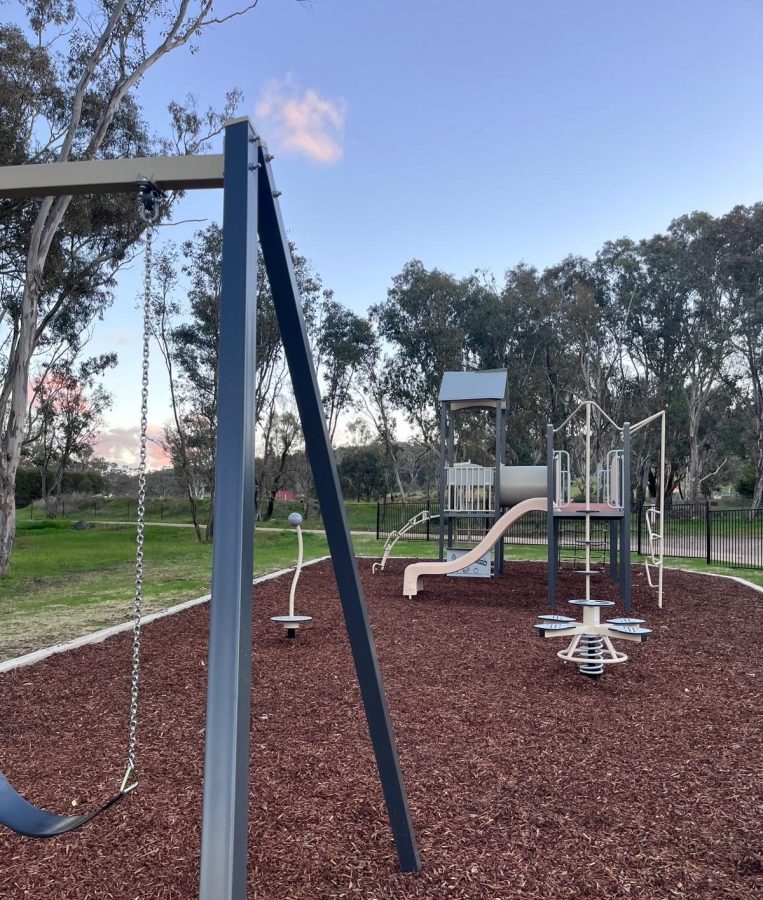
- Fall Heights and Soft-Fall Depth: The standard dictates a maximum allowable fall height for different age groups. It also requires a specific depth of impact-absorbing material under the equipment, commonly known as soft-fall. This ensures that if a child falls, the ground absorbs the impact safely
- Preventing Entrapment: The standard strictly regulates gap sizes in nets, barriers, and rungs based on the type of playground equipment. This prevents entrapment zones, which are simply gaps where small fingers, limbs, or heads could get caught and stuck.
Key Takeaway: You should never have to guess if your equipment is safe. Working with an experienced Australian playground equipment supplier ensures your play structures are certified compliant out of the box, saving you from costly redesigns during final site inspections.
Material Selection: Timber vs. Steel vs. Plastic
Australia has one of the harshest climates in the world. Between baking summer sun, heavy coastal rain, and salt air, the materials you choose dictate how long your playground will actually last. Selecting the right materials upfront prevents massive maintenance headaches down the road.
Natural Timber
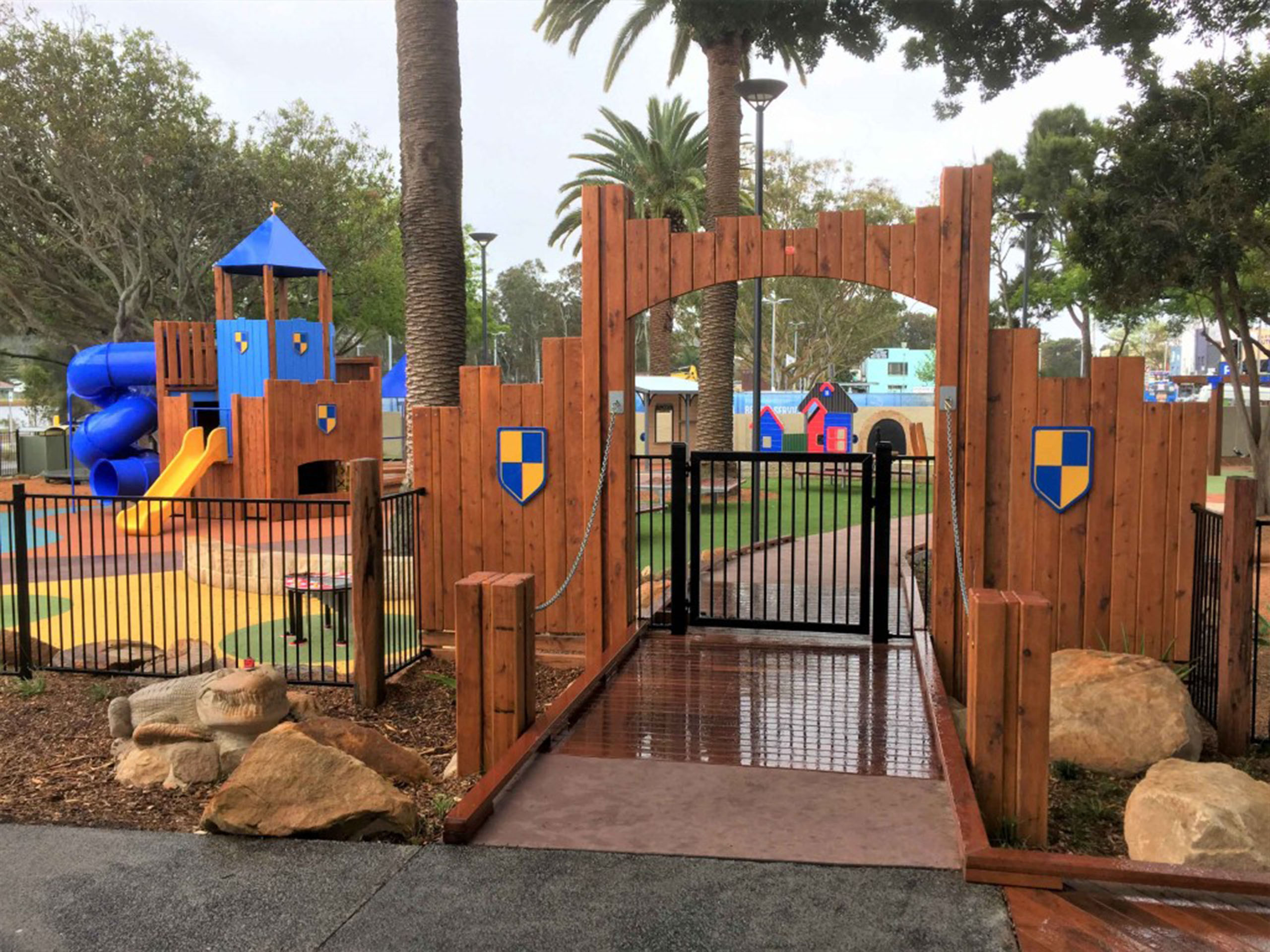
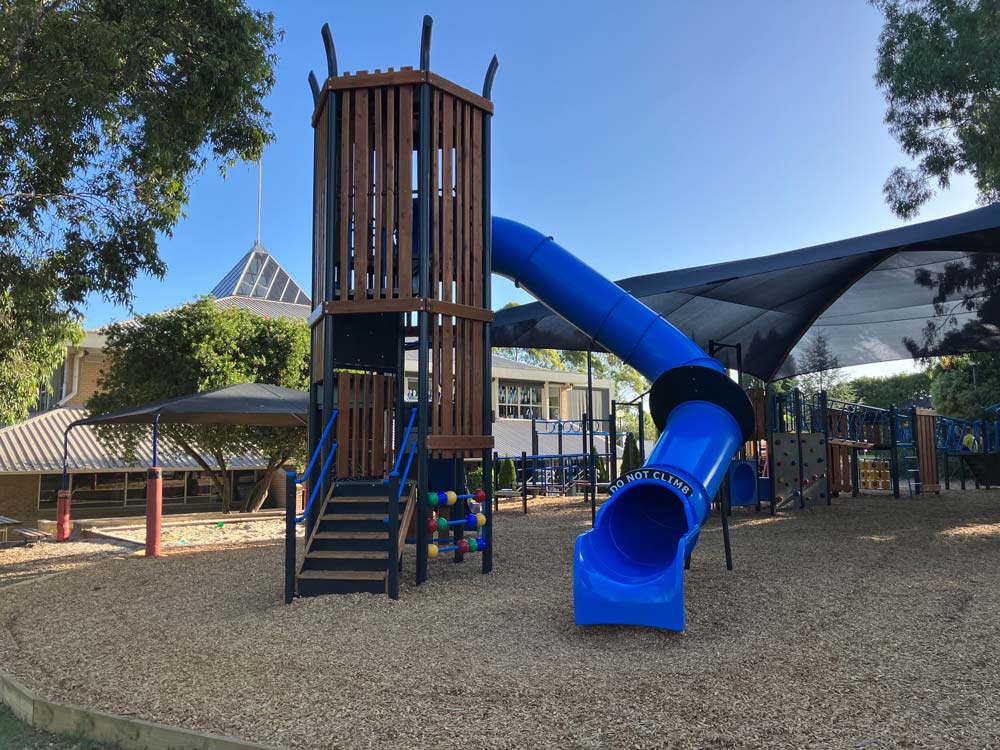
Timber is currently dominating Australian landscape design, and for good reason. Using natural timber play equipment allows structures to blend seamlessly into modern parks, reserves, and urban environments.
Beyond aesthetics, timber solves a major practical problem: heat. Australian hardwoods stay significantly cooler in direct summer sun than plastic slides or metal platforms. We rely on highly durable species like Ironbark, which naturally resists rot, termites, and extreme weather. It provides a tactile, sensory-rich experience that synthetic materials simply cannot replicate.
Hot-Dipped Galvanised Steel
When your design requires height, intense structural support, or modular climbing frames, steel is the standard. However, not all steel is created equal. Commercial playgrounds require heavy-duty, hot-dipped galvanised steel.
This specific treatment coats the steel in a protective layer of zinc, aggressively preventing rust. This is an absolute necessity for coastal suburbs where salt spray destroys untreated metal within a few short years. Finished with a high-grade powder coat, steel provides incredible longevity and vandal resistance.
High-Density Plastic
While we strongly advocate for natural materials, high-density plastics still play a role in specific components like slides or sensory panels. The key is ensuring any plastic used is heavily UV-stabilised. Cheap plastics will fade, turn brittle, and crack after just one Australian summer. Commercial-grade plastics are formulated to maintain their structural integrity and colour for years, even under direct UV exposure.
Local Australian Manufacturing vs. Overseas Imports
When choosing equipment for a large project, you will inevitably compare local suppliers with cheap overseas imports. While an imported catalogue might look budget-friendly on paper, it often introduces massive procurement risks.
The biggest threat to your project timeline is the shipping lead time. Relying on an overseas factory means your project is entirely dependent on global shipping schedules. A single port delay can push your grand opening back by months, frustrate your stakeholders, and blow out your labour costs.
The second major risk becomes obvious three years after installation. When a swing seat breaks or a bolt needs replacing, you need a spare part fast. With overseas suppliers, you often find the part is discontinued, or you have to wait weeks for it to clear customs. If you cannot fix the broken part, you have to tape off the equipment, leaving a costly asset sitting unusable.
Working with a local partner like Play Workshop eliminates these risks entirely. With manufacturing facilities across Sydney and Melbourne, we provide direct access to the production process. This allows for fast, custom design adjustments to fit your specific site contours, resulting in beautifully designed playgrounds. Most importantly, it guarantees rapid project delivery and immediate local support when you need a replacement part down the track.
Choosing Equipment for Your Sector
Every sector has a completely different set of priorities when buying play equipment. What works for a high-density apartment block will not work for a local kindergarten. Here is a breakdown of what to prioritise based on your specific industry.
Builders and Developers
For commercial property developers and landscape architects, the playground is a key selling feature of the estate or apartment complex. Your primary concerns are on-time delivery, structural durability, and high aesthetic value. The equipment needs to look premium to attract families, but it also must be tough enough to survive without constant maintenance from the strata committee.
Local Government and Public Parks
Procurement officers for local government councils face the toughest conditions. Public parks see incredibly high foot traffic and are prone to vandalism. Councils must prioritise ultra-durable materials like thick galvanised steel and hardwood timber.
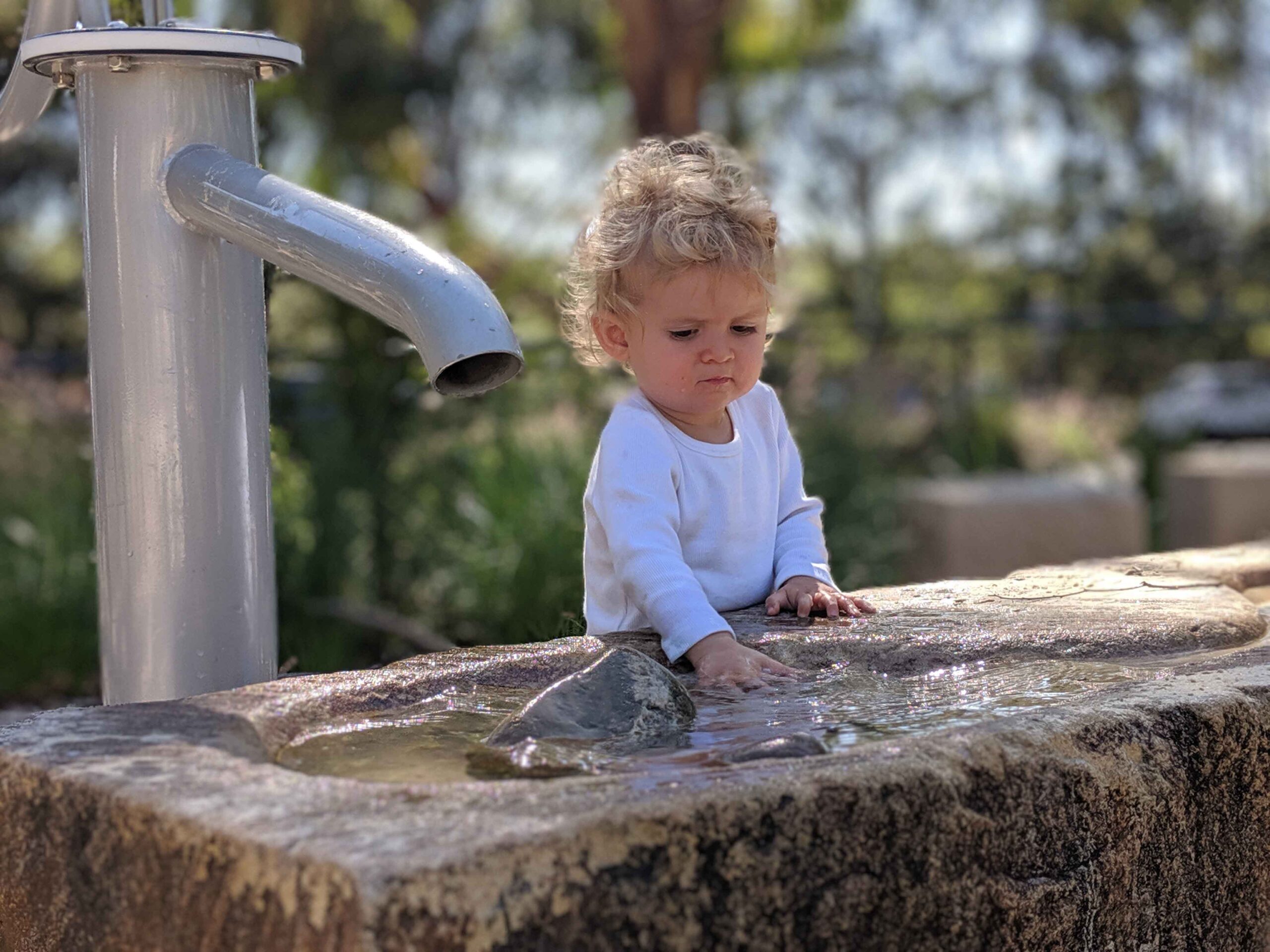
Furthermore, councils are mandated to provide equitable access. When planning these spaces, equipment must align with the NSW Everyone Can Play framework. This means incorporating inclusive elements like accessible carousels, flush ground-level transitions, and sensory quiet zones.
Schools and Early Learning Centres
Educators approach play differently. For primary schools and educational facilities, sourcing the right playground equipment is critical. You need playground equipment that supports age-appropriate physical challenges to build core strength and coordination, while also supporting sensory integration during recess breaks.
5 Questions to Ask a Playground Manufacturer Before Buying
Before you sign a contract or issue a purchase order, vet your supplier. Treat this process like hiring a specialised subcontractor. Use this quick five-question checklist to ensure you are partnering with the right team.
Is this specific equipment certified to AS 4685 standards?
Never assume compliance. Ask the manufacturer to provide the certification documentation upfront. If they hesitate or offer vague reassurances, walk away.
Where is the timber and steel actually procured and fabricated?
You need to know exactly where the raw materials come from. Choosing Australian-grown timber and fabricating the steel locally guarantees a higher standard of quality control compared to unknown overseas factories.
What are the specific warranty terms on structural posts versus moving parts?
Warranties are rarely a flat timeframe. Structural steel posts might have a 20-year warranty, while moving parts like swing bearings may only be covered for two years. Get a clear, itemised breakdown in writing.
How are spare parts handled if something breaks in five years?
Ask about their post-installation support. A reliable local partner will keep standard spare parts in stock, ensuring your playground is back up and running within days, not months.
Can you customise dimensions to fit our specific site contours?
sites are perfectly flat rectangles. You need a manufacturer who can adjust platform heights, change a slide angle, or modify a bridge length to suit your site’s natural topography.
Final Thoughts on Choosing Equipment
A great commercial playground is a long-term investment that should serve your community for decades, not just a few seasons. By prioritising strict safety compliance, selecting climate-appropriate materials, and partnering with a reliable local manufacturer, you remove the stress from the procurement process.
You do not have to navigate this process alone. If you have a site plan ready or simply need advice on where to start, our team is here to help. Contact Play Workshop today to request product spec sheets, discuss your compliance requirements, or get a detailed custom project quote.