How to Design the Perfect Kindergarten Playground
Why Playground Design Matters for Early Learning
A well-planned playground is essential for fostering healthy development in young children. From motor skills to social interaction, a great playground goes beyond fun to provide meaningful learning experiences. Thoughtful playground design ensures that children develop cognitive, physical, and social skills in a safe and engaging environment.
Key Considerations for Kindergarten Playground Design
1. Age-Appropriate Equipment
Toddlers and preschoolers have different needs than older children. Play elements should be designed to match their size, strength, and developmental stages. Ensuring that equipment is accessible and safe for younger children helps them build confidence and independence while playing.
2. Encourage Sensory Exploration
Early learners thrive with interactive and sensory-rich experiences. Incorporating different textures, sounds, and elements enhances their development. Consider including:
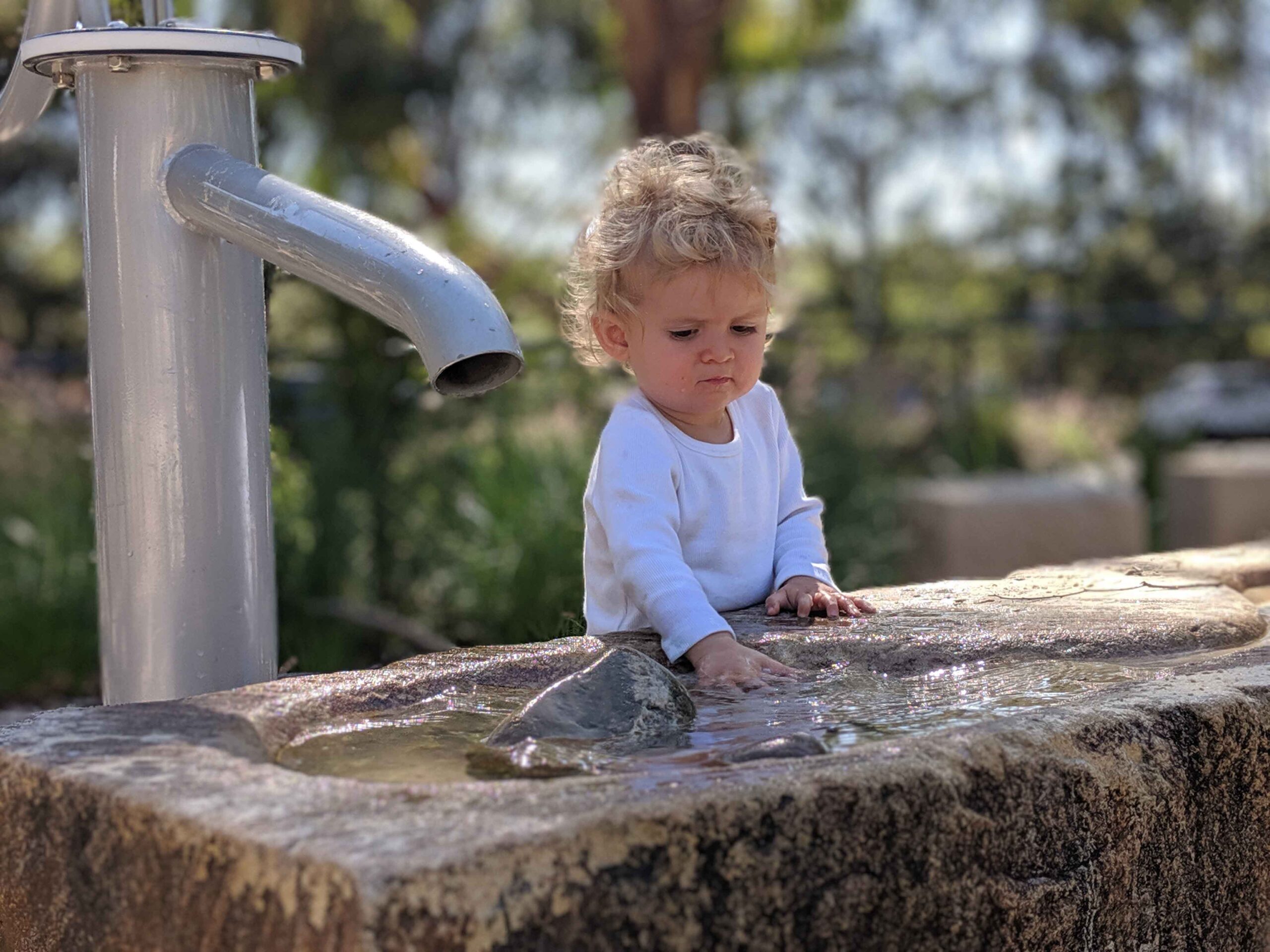
- Sand & water play – Stimulates tactile learning and problem-solving skills.
- Musical play panels – Encourage creativity and auditory development.
- Tactile elements – Surfaces like wood, rubber, and grass provide varied sensory feedback.
3. Promote Active Play & Motor Skills
A well-balanced playground should encourage movement through features such as:
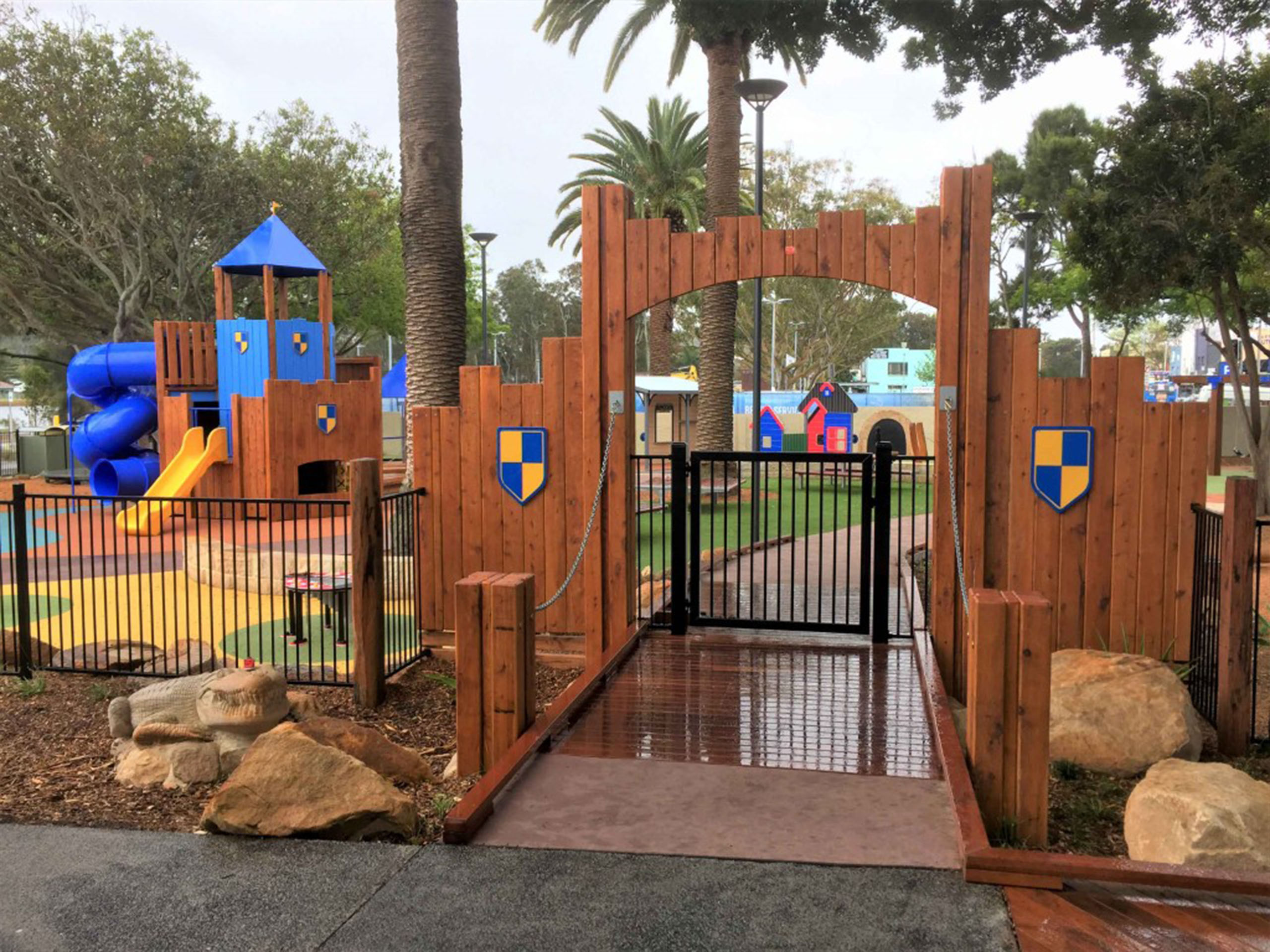
- Climbing frames & play forts – Builds strength and coordination.
- Swings & slides – Enhances balance and spatial awareness.
- Balance beams & stepping stones – Develops core strength and motor planning.
4. Create Social & Imaginative Play Zones
Playgrounds should offer spaces that foster communication and cooperation. Thoughtfully designed areas can support:
- Role-playing activities – Playhouses, market stalls, and themed structures encourage storytelling and teamwork.
- Group play spaces – Open-ended structures like tunnels and bridges invite collaborative play.
- Quiet zones – Cozy nooks with seating allow children to take breaks and engage in calm, reflective play.

Safety & Compliance: Ensuring a Secure Play Environment
Safety should be the top priority in playground design. Key safety measures include:
- Age-appropriate height and structure design
- Non-toxic, durable materials that withstand weather and wear
- Soft-fall surfacing to minimize injury risks
- Compliance with Australian safety standards (AS 4685)
Designing Your Ideal Kindergarten Playground
Every early learning centre has unique needs, which is why customisation is essential. Whether opting for a natural play environment or modular structures, the design should support educational goals while maximizing space and budget.
Get Started Today!
Looking to create a safe, engaging, and developmentally enriching playground for your kindergarten or early learning centre? Contact us today for a consultation and see how we can bring your vision to life!
Call us on 02 9420 8296
Email us at info@playworkshop.com.au
Follow us on Instagram @playworkshop1972
Follow us on Facebook @playworkshop